
/ PLANNING RESOURCES
DRIVEWAY PLANNING
Planning a Driveway Replacement in the Rogue Valley
A driveway replacement should solve more than an unattractive surface. It is a chance to rethink parking, check where water goes, and make everyday access easier. The best starting point is not choosing a finish. It is understanding what needs to change and what must stay usable while work happens.
For homeowners, driveway replacement planning in the Rogue Valley makes contractor conversations more productive. Here is how to arrive with useful information rather than a folder full of conflicting online specifications.
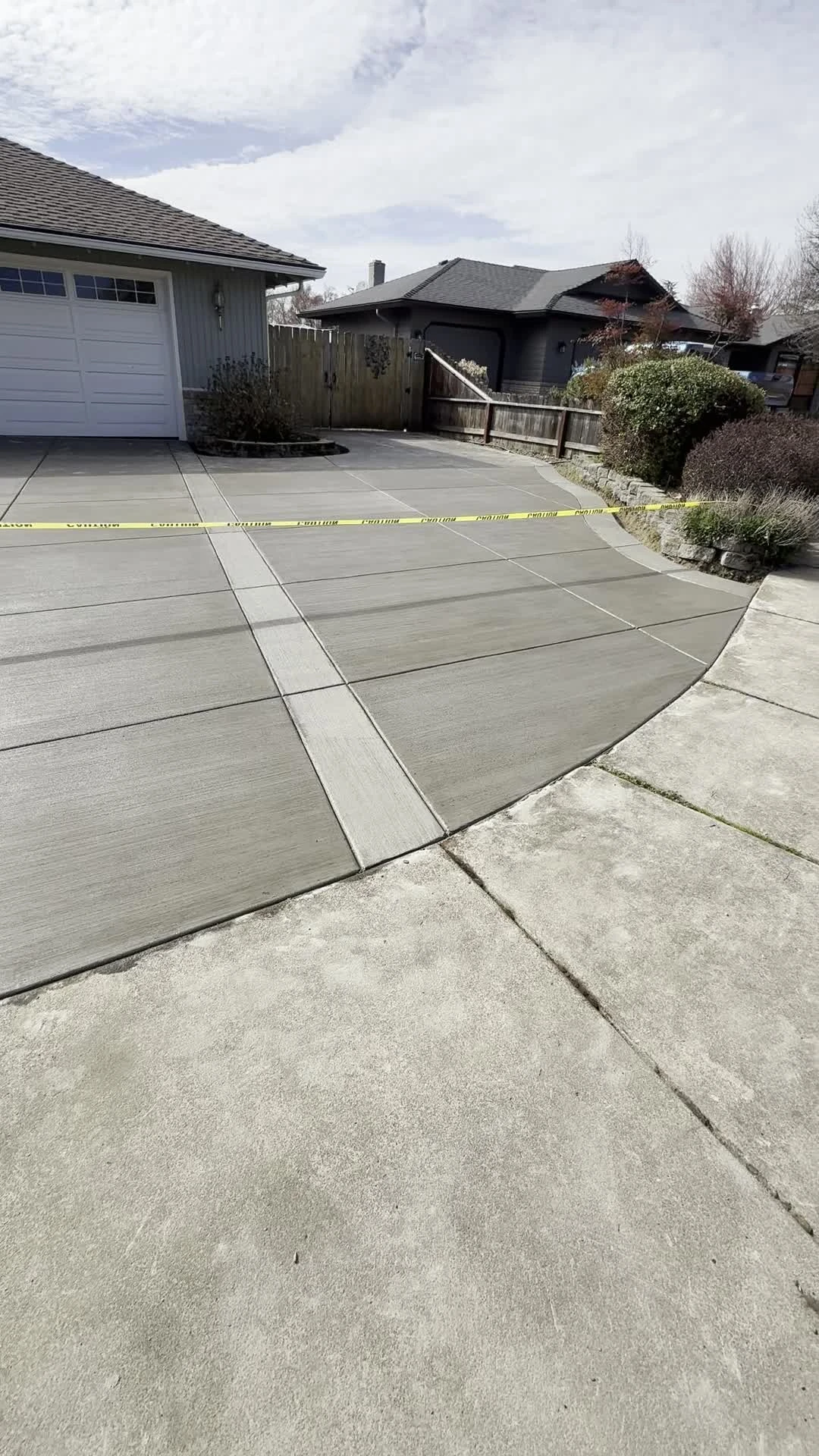
IRON ROCK / REAL PROJECT WORK
Purpose, access and site conditions
shape the starting point.
01
Start with the problems you actually want solved
Walk the driveway and list your concerns: uneven transitions, broken edges, standing water, awkward parking or a surface that no longer suits your vehicles. Photograph the whole area and close-up problems. If water collects after rain, record where it starts and where it travels.
Separate must-haves from preferences. Replacing the existing footprint is a different conversation from widening it, changing the entrance or adding parking beside the house. Tell the contractor about regular delivery vehicles, trailers and other loads; do not assume a standard residential detail suits every use.
02
Make a simple access and layout sketch
Mark the garage, front walk, gates, fences, street connection and places you want to park. Add approximate measurements for discussion, clearly labeled as estimates. Include anything you want protected, such as established landscaping or irrigation.
Imagine a normal busy morning. Can someone reach the front door without walking behind a reversing vehicle? Will a parked truck block a gate? If a future shop is part of your plans, mention it before the driveway layout is settled. Related shop and garage slab planning can help you connect those decisions.
03
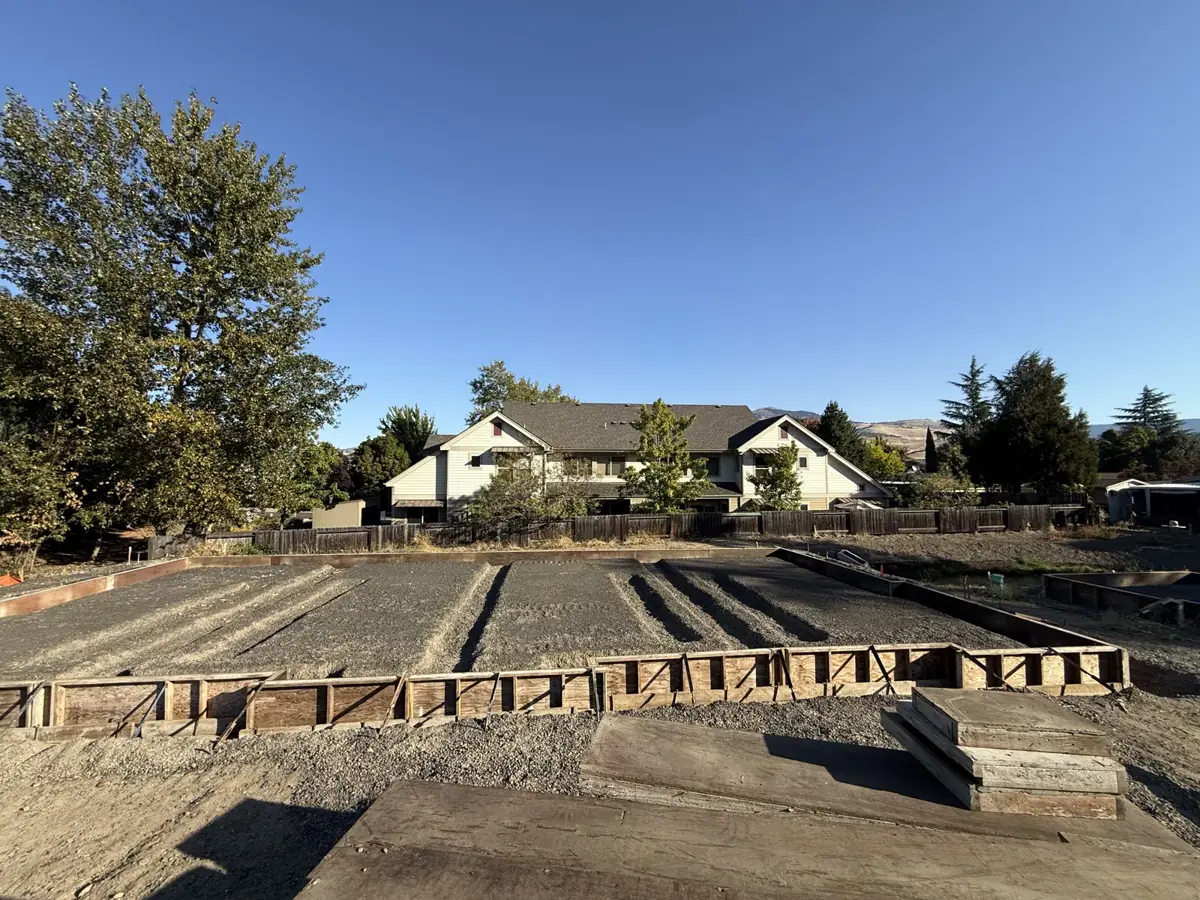
Treat drainage as part of the project
A replacement surface should not simply reproduce an existing water problem. Explain where roof downspouts discharge and whether water reaches the garage, house or neighboring property. Ask how proposed elevations and transitions will work together, including the sidewalk and street connection.
Do not select a slope or drain location from a generic diagram. Ask the contractor whether the site needs additional drainage design or review by the local authority. Medford provides stormwater guidance and private-property rules; the requirements for your property need confirmation, especially if the footprint or runoff pattern changes.
04
Confirm who controls the road connection
A Medford mailing address does not by itself tell you which agency controls the road. Establish whether the frontage is city, county or state jurisdiction before deciding what approvals apply.
Jackson County identifies paving, widening and other changes to county-road connections as situations requiring road-approach review. It separately directs concrete driveways along gravel-shoulder roadways to its encroachment-permit process. Ask the responsible road authority about your exact scope rather than assuming replacement is automatically exempt or automatically requires one particular permit.
05
Compare written scope, not just the bottom line
Ask each contractor to explain demolition and disposal, site preparation, handling of unsuitable material, proposed concrete work, joints, finish, curing and cleanup. Clarify whether drainage changes, adjacent walkways and street-side work are included or excluded.
An existing surface can hide conditions that are not obvious during the first conversation. Agree on how discoveries will be documented and approved before extra work proceeds. Ask who coordinates required utility locating, private underground lines, permits and inspections. A clear scope is more useful than comparing proposals that cover different work.
06
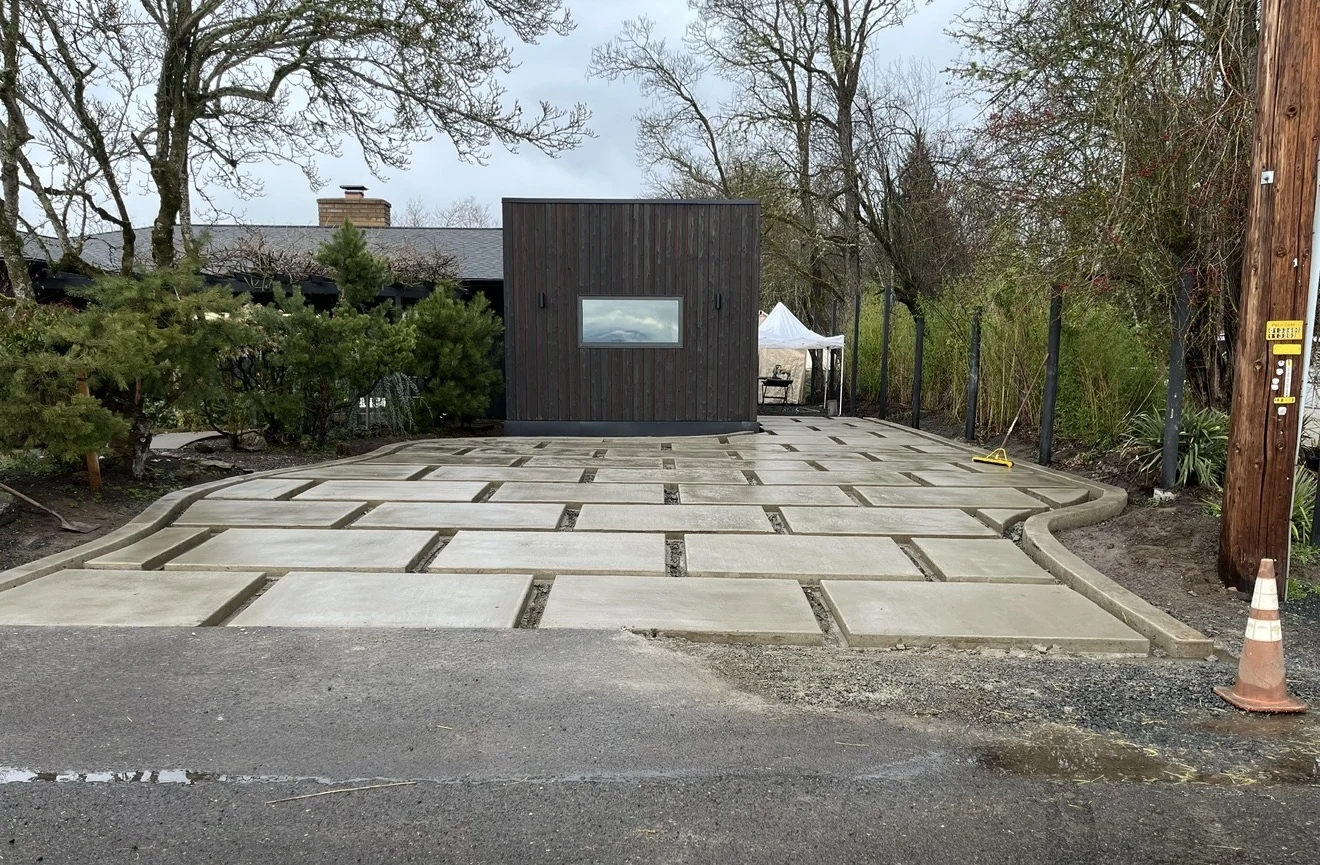
Plan life around the work
Arrange alternative parking before equipment arrives. Identify a safe pedestrian route, delivery arrangements, garbage access and any accessibility needs. Tell the contractor about pets, children and appointments that make access especially important.
Ask for the expected sequence and what could change it. Weather, site findings and approval requirements can affect scheduling. After placement, concrete needs curing conditions that support strength and durability; a surface that looks dry is not a reliable signal that it is ready for vehicles. Get project-specific instructions for walking, parking and heavier loads.
PUT THE PLAN INTO MOTION
Put your replacement plan into motion
Iron Rock Concrete focuses on driveway replacement and larger residential flatwork in the Rogue Valley. For Medford-area concrete work, start with your goals and site conditions. Contact Iron Rock Concrete or call 541-864-9465 to discuss your project.
IN THIS GUIDE
Your site.
Your starting point.
Use the guide to gather useful details. Then discuss your property, access and intended use with Iron Rock.
A LITTLE CLARITY BEFORE YOU START
Good questions.
Clear next steps.
Your property has its own conditions. These answers are a starting point—not a substitute for discussing your site.
01 / Should I repair the driveway or replace it?
That depends on the condition and the problem you need solved. Ask for an assessment of the existing surface, support and drainage. A repair proposal should explain what it addresses and what limitations remain, rather than promising to fix everything cosmetically.
02 / Can I widen the driveway during replacement?
Possibly, but widening changes the planning conversation. Check property boundaries, drainage, utilities, landscaping and road-connection approvals before treating extra width as a simple addition. Confirm the permitted layout with the responsible jurisdiction.
03 / Will the contractor need to inspect drainage?
Discuss it during the site visit. Share rainy-day photos and point out troublesome downspouts or garage transitions. The contractor can identify questions that need additional design or agency review; a photograph alone cannot establish the right solution.
04 / When can I park on the new driveway?
Use the contractor’s written instructions for your placement, weather and intended vehicles. Curing and readiness for loading are not interchangeable milestones. Avoid relying on a universal day count from an unrelated project.
05 / What should I send with my initial inquiry?
Send your community, approximate footprint, photos, access constraints and whether you want replacement only or layout changes. Include the vehicles you expect to use it and your preferred timeframe. Those details help start a useful conversation.